Pencils · Inks · Imagination
History
How Spider-Ham Was Created
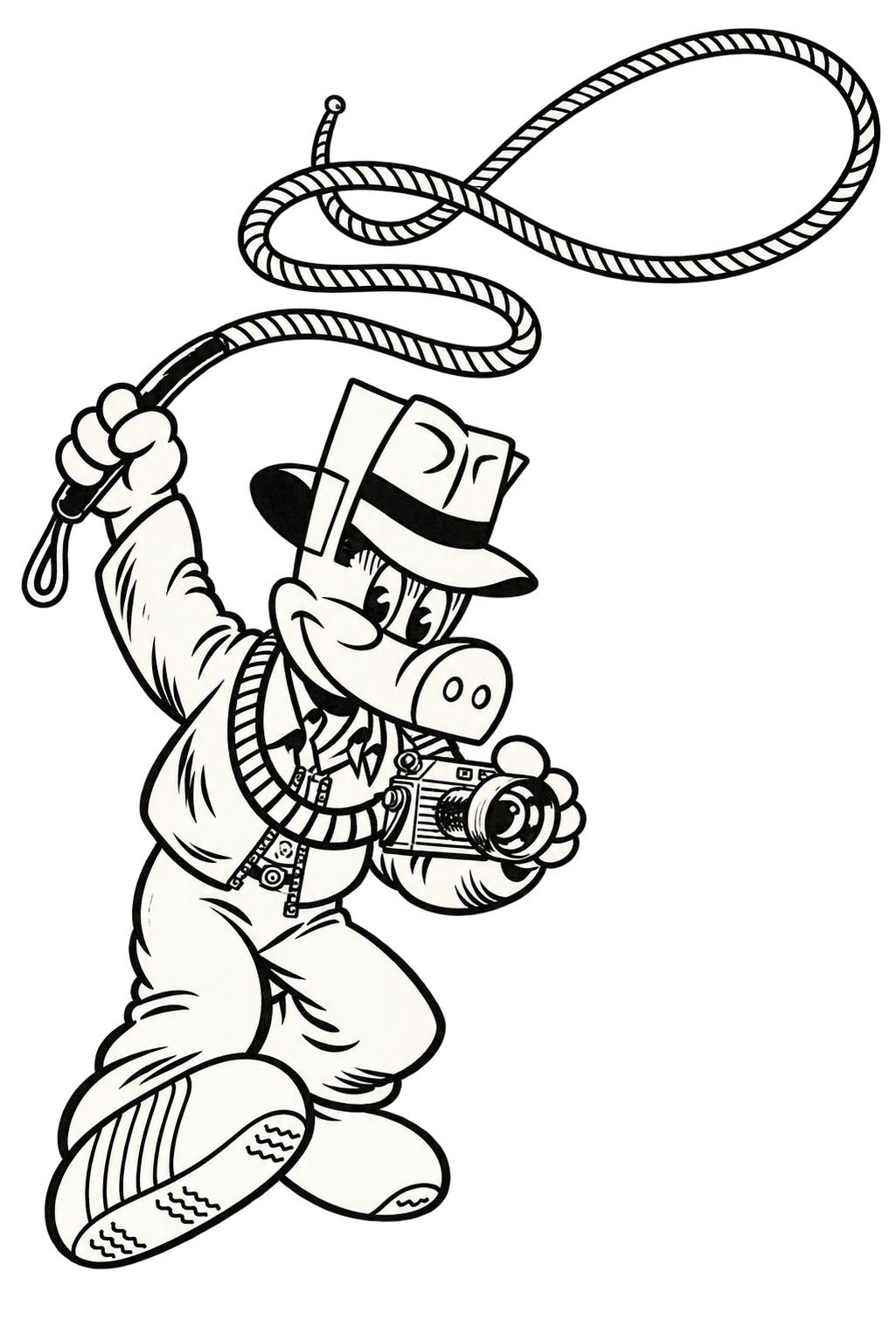
Long before his arrival on cinema screens, Peter Porker, the Spectacular Spider-Ham emerged from a collaborative experiment at Marvel. Tom DeFalco and Larry Hama developed the concept, while Mark Armstrong shaped the character’s published design and pencilled his first adventure. Joe Albelo devised the name Peter Porker, Spider-Ham, contributed an early visual proposal and inked the debut story. Marie Severin also explored an early design, while Steve Mellor created the first cover and supplied the colours. Together, these talents established Spider-Ham’s distinctive combination of superhero adventure and cartoon comedy.
The idea grew out of DeFalco and Hama’s interest in animal superheroes that could appeal to younger readers and offer opportunities for toys and licensing. It became a one-shot called Marvel Tails. Although the proposed merchandising did not move forward, the comic’s success gave Peter Porker a future beyond the original experiment.
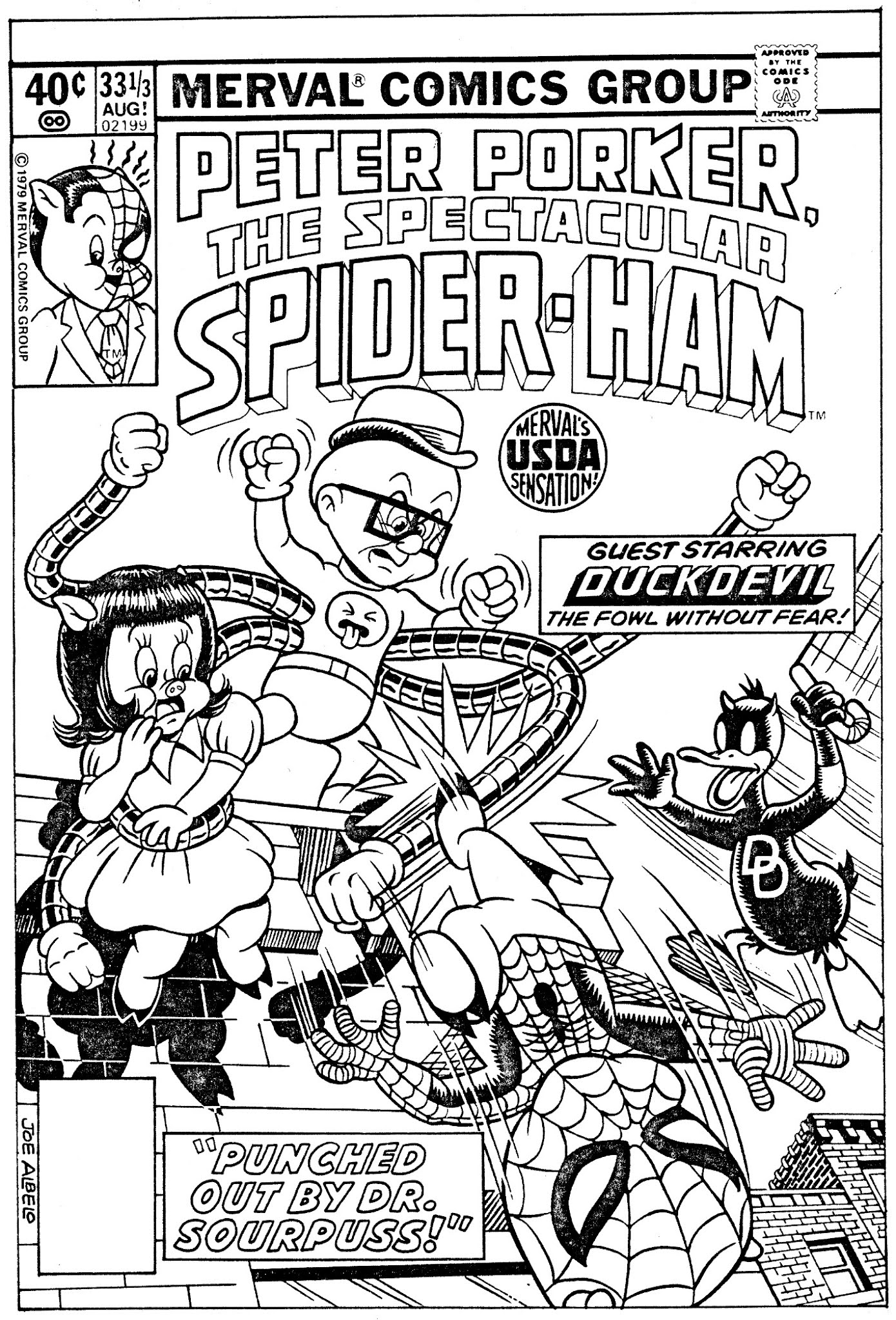

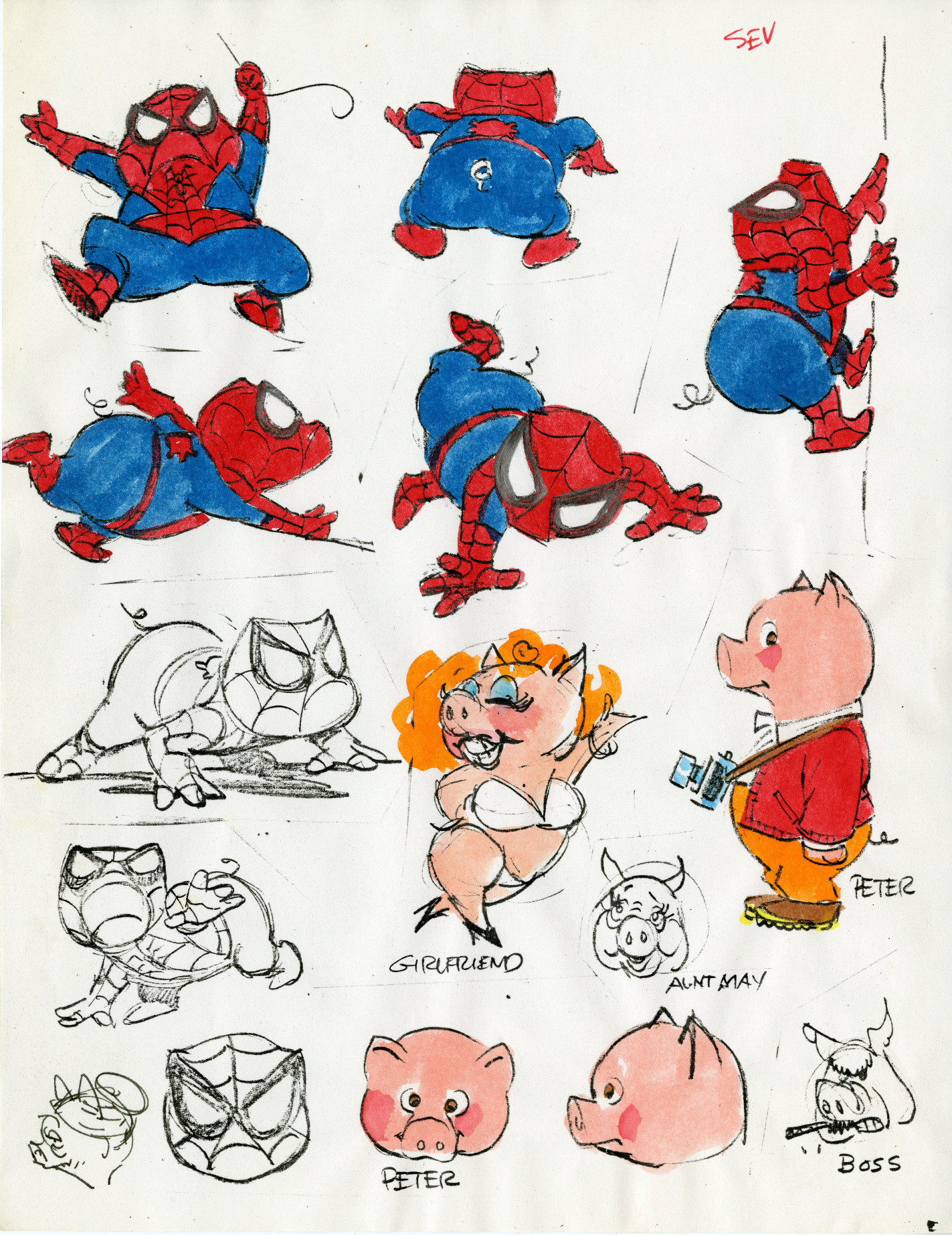
Before Spider-Ham acquired his familiar appearance, several artists explored different visual directions. Armstrong’s retrospective blog reproduces an imaginary cover by Albelo showing Peter as a Porky Pig-like character wearing the upper half of a Spider-Man costume. Severin offered another interpretation, emphasising a heavier pig’s physique and exploring Peter both in and out of costume, together with possible supporting characters. Neither proposal became the final published design, but both represent important steps in the character’s earliest development.
Hama subsequently asked Armstrong to create a figure visually distinct from Porky Pig. The concept also established specific proportions: Peter should stand four heads tall, while Captain Americat should stand five. Armstrong developed the published design within those guidelines, imagining Peter with flexible cartoon anatomy. Albelo’s inks added muscular definition, bringing his own interpretation to the finished artwork.
Armstrong brought a distinctive visual sensibility to the project. In Back Issue! #39, DeFalco praised his natural ability with animal characters, his meticulous craftsmanship and his versatility. Hama recalled recognising his talent through earlier work, including “Recondo Rabbit” for Bizarre Adventures. The collaboration also drew on Marvel’s humour-comics community: the original artists had previously contributed to Crazy magazine.
Spider-Ham made his first published appearance in Marvel Tails Starring Peter Porker the Spectacular Spider-Ham #1, cover-dated November 1983. Its main adventure, “If He Should Punch Me!”, was written by Tom DeFalco, pencilled by Mark Armstrong and inked by Joe Albelo, with colours by Steve Mellor and lettering by Rick Parker and Jack Morelli. Larry Hama edited the book, with Jim Shooter serving as editor-in-chief.
The adventure introduced Peter alongside Captain Americat and Hulk-Bunny. J. Jonah Jackal and the Daily Beagle supplied a comic counterpart to Peter Parker’s newspaper world, while an investigation into sabotage at a video arcade provided the action. Animal caricatures, superhero situations and visual humour gave the setting possibilities beyond its central Spider-Man parody.
According to DeFalco’s recollection in Back Issue! #39, Marvel Tails achieved approximately 60 percent newsstand sell-through, compared with Marvel’s usual figure of around 30 percent. That unexpected success prompted Marvel’s management and distributor to ask for more, turning a planned one-shot into the starting point for an ongoing series.
Peter Porker, the Spectacular Spider-Ham launched under Marvel’s Star Comics imprint, with issue #1 cover-dated May 1985. Its opening adventure, “The Mysterious Island of Ducktor Doom!”, was written by Steve Skeates, pencilled by Armstrong and inked by Albelo, with colours by Mellor and lettering by Rick Parker. Michael Golden supplied the first issue’s cover. The story expanded Peter’s world with Ducktor Doom and the young interns J. Jeremiah Jackal, Bunsen Bunny and Upton Adam Stray.
Skeates played an important role in turning the original concept into a continuing series. In Back Issue! #39, DeFalco credited him with establishing the book and doing much of the work that sustained it. His experience writing humour and animal characters made him a strong fit for Peter Porker’s adventures. Skeates wanted to combine the lighter spirit of early Spider-Man stories with satire and social observation. He also developed the three interns from an editorial brief, devising their names and the animal identities of Bunsen Bunny and Upton Adam Stray.
Fred Hembeck added another distinctive cartooning approach to the main adventures. He pencilled “20,000-to-One Under the Sea!” for issue #4, cover-dated November 1985, with Albelo providing the inks and cover, Mellor the colours and Janice Chiang the lettering. In Back Issue! #39, Skeates recalled enjoying the opportunity to collaborate with an artist whose work he had long admired.
Armstrong continued developing Peter’s appearance and visual storytelling throughout his work on the series. Skeates particularly admired his expressive body language, clear panel arrangements and the additional visual jokes he introduced beyond the scripts. Armstrong’s own recollections describe a design that evolved from issue to issue rather than remaining fixed by a definitive model sheet.
His blog also offers glimpses of the personal touches behind the artwork. Armstrong added a town-crier beagle to the Daily Beagle building to give the newspaper’s name a visual explanation. He inserted background jokes and small references to his earlier work, enriching the pages beyond the central action. For “The Old Goats at Home”, he developed the pencilled storytelling from Skeates’s plot and supplied notes before Skeates added the dialogue, giving him room to introduce narrative twists and more cheerful expressions for Peter.
Joe Albelo was the defining artistic constant of Spider-Ham’s original run, contributing to all seventeen issues. The contemporary report in Marvel Age #40 highlighted him as the artist who had inked every Spider-Ham story from Marvel Tails through the point at which the article appeared. It also noted his pencilling on a Spider-Ham story in What If?, his contributions to Crazy Magazine and his work on other Marvel features. From early concept artwork to finished inks, covers and complete storytelling assignments, Albelo helped shape and sustain Peter Porker’s world.
Back Issue! #39 adds further insight into his place within the team. Hama remembered Albelo working in production in Marvel’s offices and praised the clean drawing style he had demonstrated in comic-strip parodies for Crazy. Skeates likewise praised his storytelling and expressed appreciation for the direction in which he took Spider-Ham.
The Armstrong–Albelo partnership continued on “A Blitz in Time!” in issue #7. Armstrong established the layouts and began the pencils, with Albelo completing the artwork from Armstrong’s thumbnails. Albelo also supplied the finished inks for Armstrong’s cover composition. Their complementary contributions maintained visual continuity as Albelo assumed a larger role in the series’ pencilling and cover work.
A particularly significant milestone came in issue #15, cover-dated May 1987, which finally explained Peter’s extraordinary origin. Written by Steve Mellor and pencilled by Joe Albelo, “The Strange and Wondrous Secret of How Peter Porker, Spider-Ham, Came to Be!” reversed the familiar Spider-Man formula: Peter had originally been an ordinary spider living in May Porker’s basement.
While experimenting with an atomic-powered hair dryer, May accidentally irradiated herself and, in a confused state, bit him. Peter became a pig but retained his spider abilities. May subsequently believed him to be her nephew, and Peter chose to protect her from the truth while using his powers to fight crime. Albelo thus helped illustrate both Spider-Ham’s first published adventure and the story that established his unusual beginnings.
The original series ran for seventeen issues, concluding in September 1987. Peter continued to appear in other Marvel publications before returning to greater prominence decades later through Spider-Verse and Web Warriors. His appearance in the 2018 animated film Spider-Man: Into the Spider-Verse introduced him to a much larger audience.
Spider-Ham’s lasting appeal grew from the combined imagination and craft of his early creators. Armstrong’s design and visual storytelling, Albelo’s extensive work across the entire original run, Mellor’s cover art and colours, Skeates’s scripts, Severin’s early exploration, Golden’s launch cover and Hembeck’s cartooning all helped give Peter Porker a world and personality of his own. Alongside the original concept and editorial direction, the work of these artists, writers and letterers established the humour and character that continue to make Spider-Ham memorable.
First Appearance
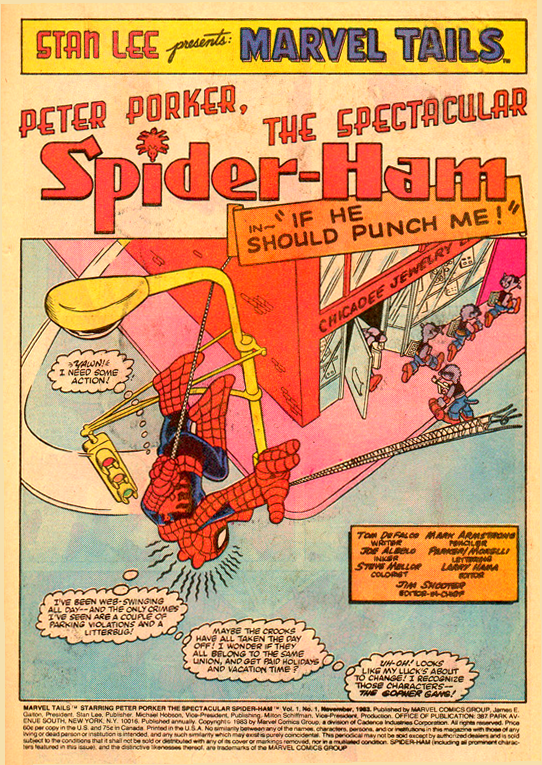
Spider-Ham made his first published appearance in Marvel Tails Starring Peter Porker the Spectacular Spider-Ham #1, cover-dated November 1983. Its main adventure, “If He Should Punch Me!”, was written by Tom DeFalco, pencilled by Mark Armstrong and inked by Joe Albelo, with colours by Steve Mellor and lettering by Rick Parker and Jack Morelli. Larry Hama edited the book, with Jim Shooter serving as editor-in-chief.
The debut also reimagines a celebrated moment from The Amazing Spider-Man #33, “The Final Chapter,” by Stan Lee and Steve Ditko. In that story, Spider-Man finds the strength to lift the crushing machinery trapping him. DeFalco, Armstrong and Albelo turn the scene into a playful Spider-Ham gag: Peter Porker lifts the wreckage, only for the floor to collapse beneath him and drop him onto Captain Americat. The sequence connects Spider-Ham’s first adventure to a defining chapter in Spider-Man’s history while giving the homage its own comic twist.
Origin
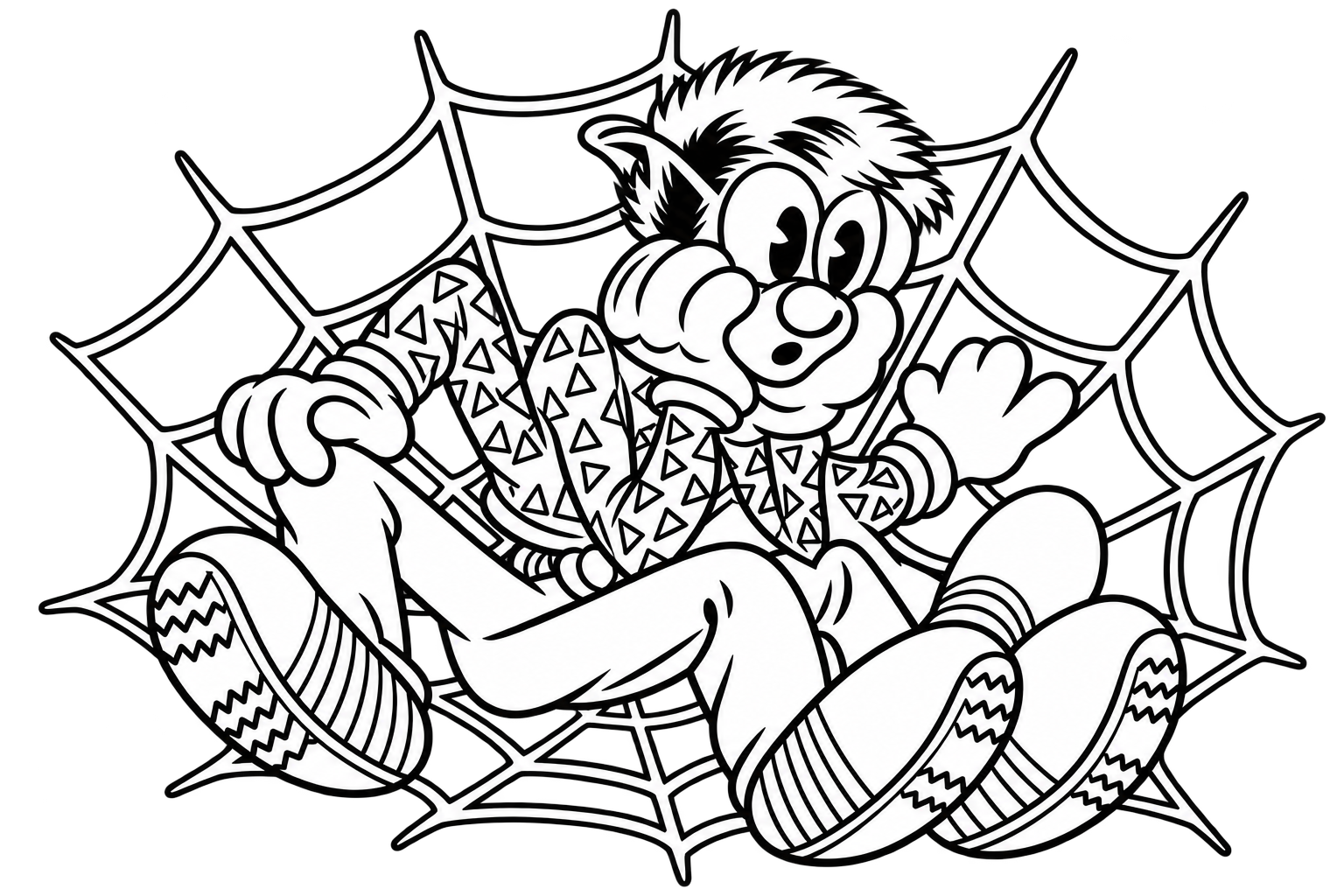
Peter’s unusual beginning was finally explained in “The Strange and Wondrous Secret of How Peter Porker, Spider-Ham, Came to Be!” in Peter Porker, The Spectacular Spider-Ham #15 (May 1987). Before he became Peter Porker, he was an ordinary spider living in the basement of scientist May Porker.
May was testing an atomic-powered hair dryer when the experiment irradiated her. In a dazed moment, she bit Peter. The accident changed him from a spider into a pig while leaving him with spider-like abilities. The familiar Spider-Man origin is turned upside down: instead of a person bitten by a spider, a spider is bitten by a scientist and becomes a web-slinging hero.
May came to believe Peter was her nephew and cared for him. Peter chose the name Spider-Ham and used his new abilities to protect others. Joe Albelo pencilled the origin story, with Steve Mellor writing it.
